Common Landscaping Misconceptions: Separating Myths from Reality
Understanding Common Landscaping Misconceptions
Landscaping can transform a simple yard into a stunning outdoor haven. However, many homeowners fall victim to common misconceptions that can hinder their landscaping efforts. Let’s debunk some of these myths and set you on the path to a successful landscaping journey.
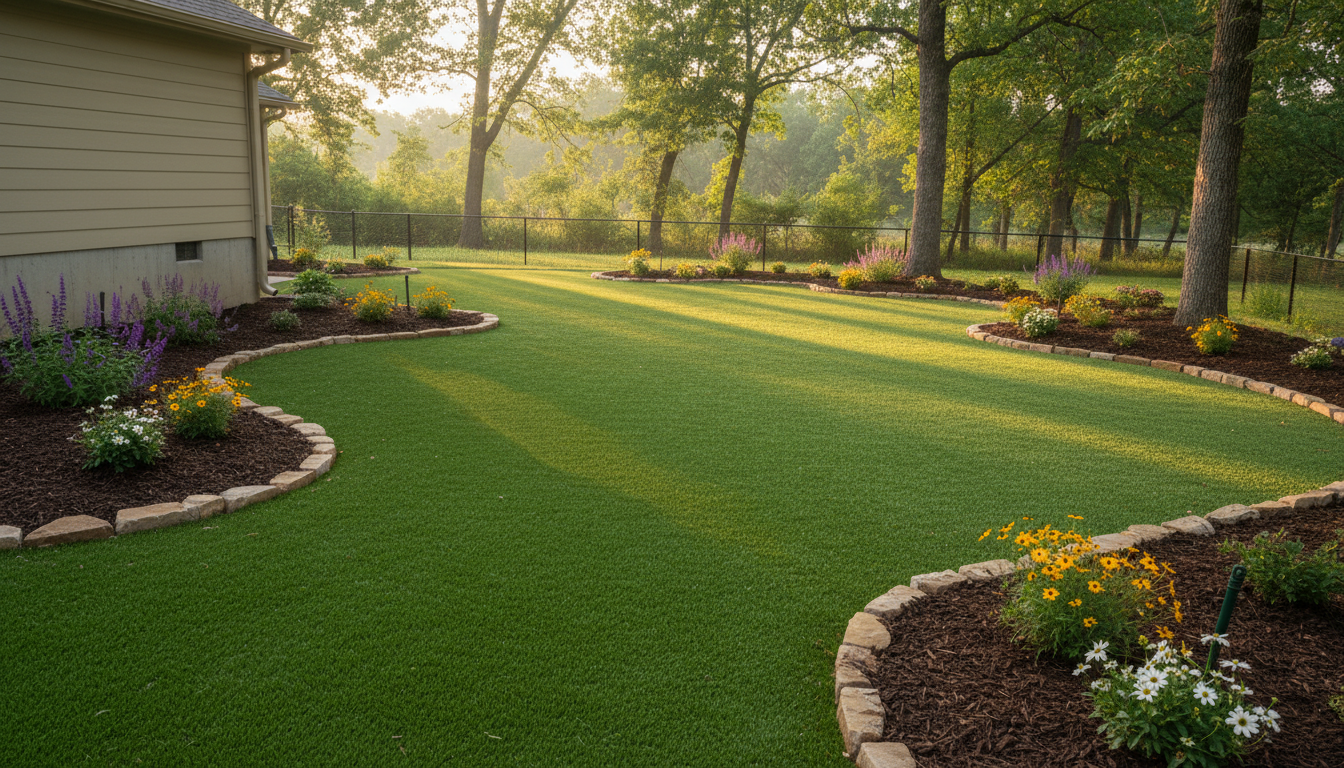
Myth 1: Native Plants Are Low Maintenance
While it’s true that native plants are adapted to local conditions and can thrive without excessive care, this doesn’t mean they are completely maintenance-free. Native plants still require regular watering, pruning, and pest control to maintain their health and appearance.
Reality: Native plants can reduce maintenance but are not a substitute for good gardening practices. Regular attention ensures they grow strong and resilient.
Myth 2: All Mulches Are the Same
Mulch is often thought of as a one-size-fits-all solution, but different types of mulch serve different purposes. Organic mulches, such as bark or wood chips, enrich the soil as they decompose, while inorganic mulches, like gravel, offer a cleaner look and are longer-lasting.
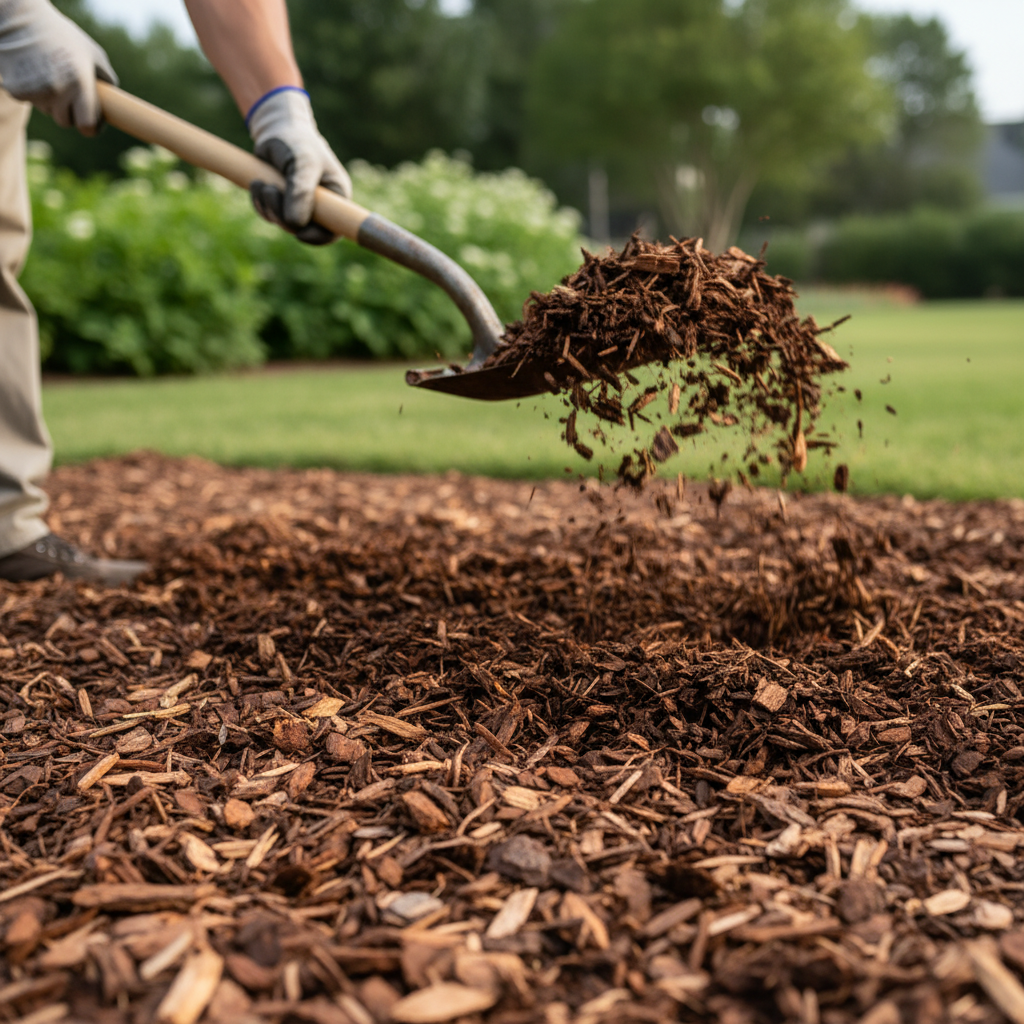
Reality: Choose mulch based on your specific needs. Organic mulches improve soil quality, while inorganic options are great for decorative purposes.
Myth 3: More Fertilizer Equals Better Growth
A common mistake is believing that more fertilizer will lead to faster or better plant growth. In reality, over-fertilizing can harm plants by burning roots and disrupting nutrient balance.
Reality: Follow recommended guidelines for fertilizer application. Less is often more when it comes to promoting healthy plant growth.
Myth 4: Landscaping Is Only for Aesthetics
While a beautiful landscape enhances curb appeal, landscaping serves more than just an aesthetic purpose. Proper landscaping can improve air quality, provide habitats for wildlife, and even reduce energy costs by providing natural shade and insulation.

Reality: Landscaping is a multifaceted investment that benefits the environment and your home’s efficiency.
Conclusion: Embrace Informed Landscaping Decisions
Understanding and dispelling these common landscaping misconceptions can save time, effort, and resources. By approaching landscaping with a well-informed perspective, you can create a thriving, sustainable outdoor space that enhances your home and benefits the environment.
Remember, successful landscaping requires ongoing care and attention. Embrace knowledge, and your garden will flourish.