Designing Outdoor Living Spaces for Utah’s Unique Climate
Understanding Utah’s Unique Climate
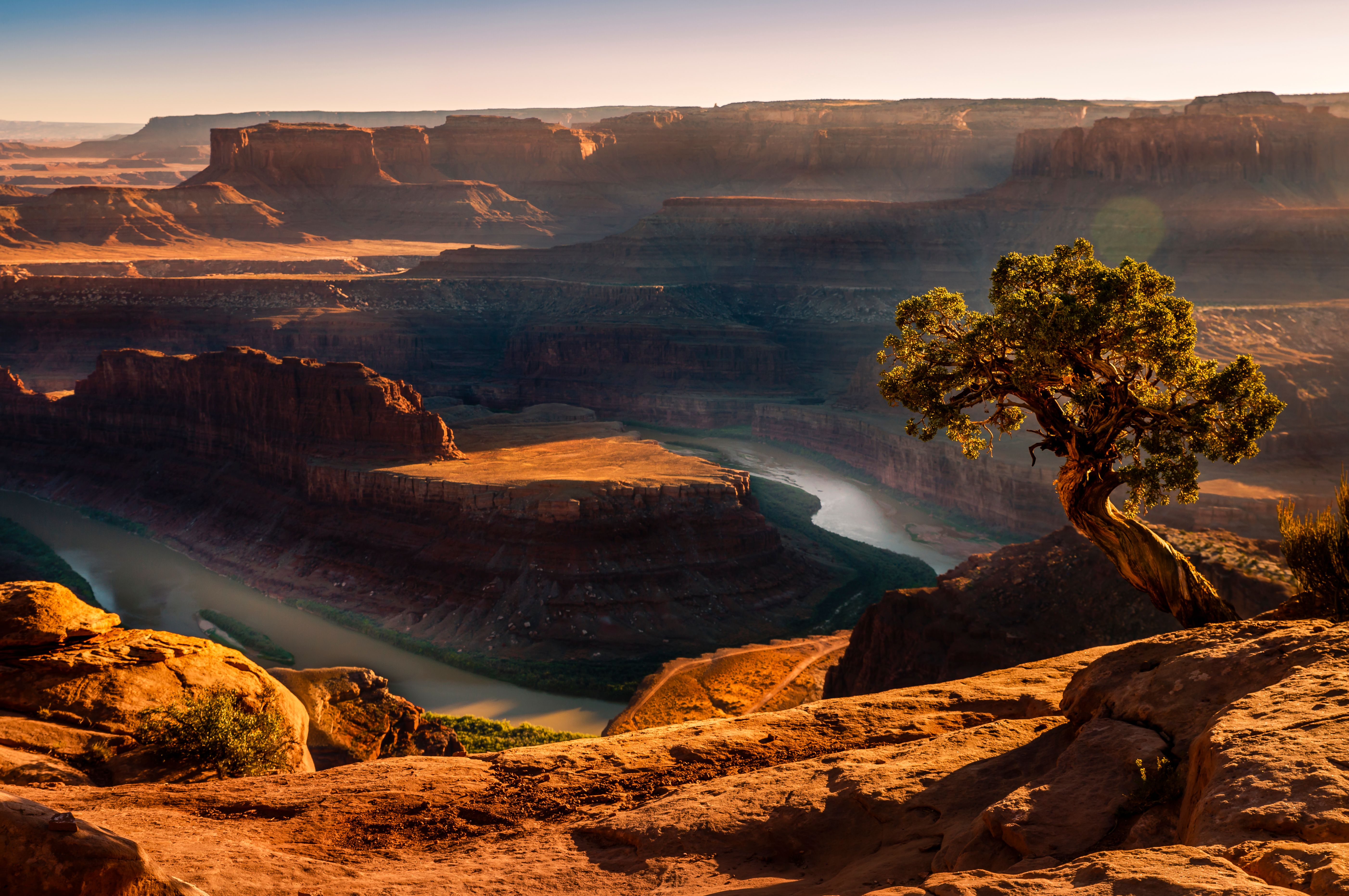
Designing outdoor living spaces in Utah requires a deep understanding of the state's unique climate. Known for its diverse weather patterns, Utah experiences everything from hot, dry summers to cold, snowy winters. This diversity demands thoughtful planning to ensure outdoor spaces are both functional and durable year-round.
The state's high desert climate means that temperatures can vary significantly between day and night. This fluctuation needs to be considered when selecting materials and plants for your outdoor space. For example, choosing materials that can withstand both intense sun and freezing temperatures is crucial.
Choosing the Right Materials
When designing an outdoor space in Utah, selecting the right materials is vital. Opt for materials that are weather-resistant and can handle the state's temperature extremes. For instance, stone and concrete are excellent choices for patios and pathways due to their durability and minimal maintenance requirements.
Wood is another popular choice, but it requires more maintenance to withstand the climate. Consider using weather-treated wood or composite materials that mimic the appearance of wood while offering greater longevity. These materials can provide the aesthetic appeal without the constant upkeep.
Incorporating Shade and Shelter
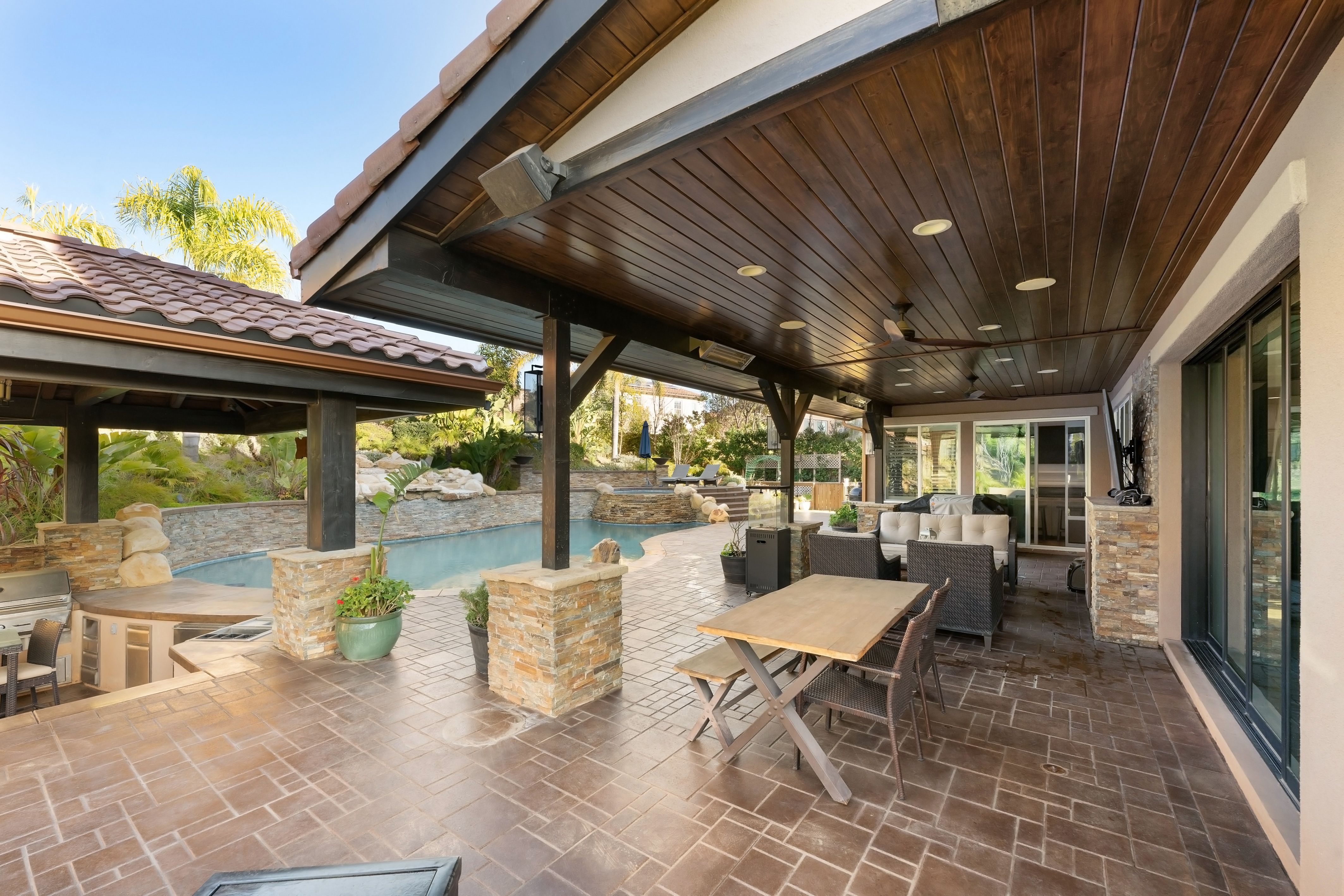
Given Utah's intense summer sun, incorporating shade into your outdoor design is essential. Structures like pergolas, awnings, and shade sails can provide much-needed relief from the heat. These elements not only enhance comfort but also protect outdoor furniture from sun damage.
It's also beneficial to include spaces that offer shelter from rain and snow. Covered patios or gazebos can transform an outdoor area into a year-round retreat, allowing you to enjoy the space regardless of the weather.
Selecting Climate-Appropriate Plants
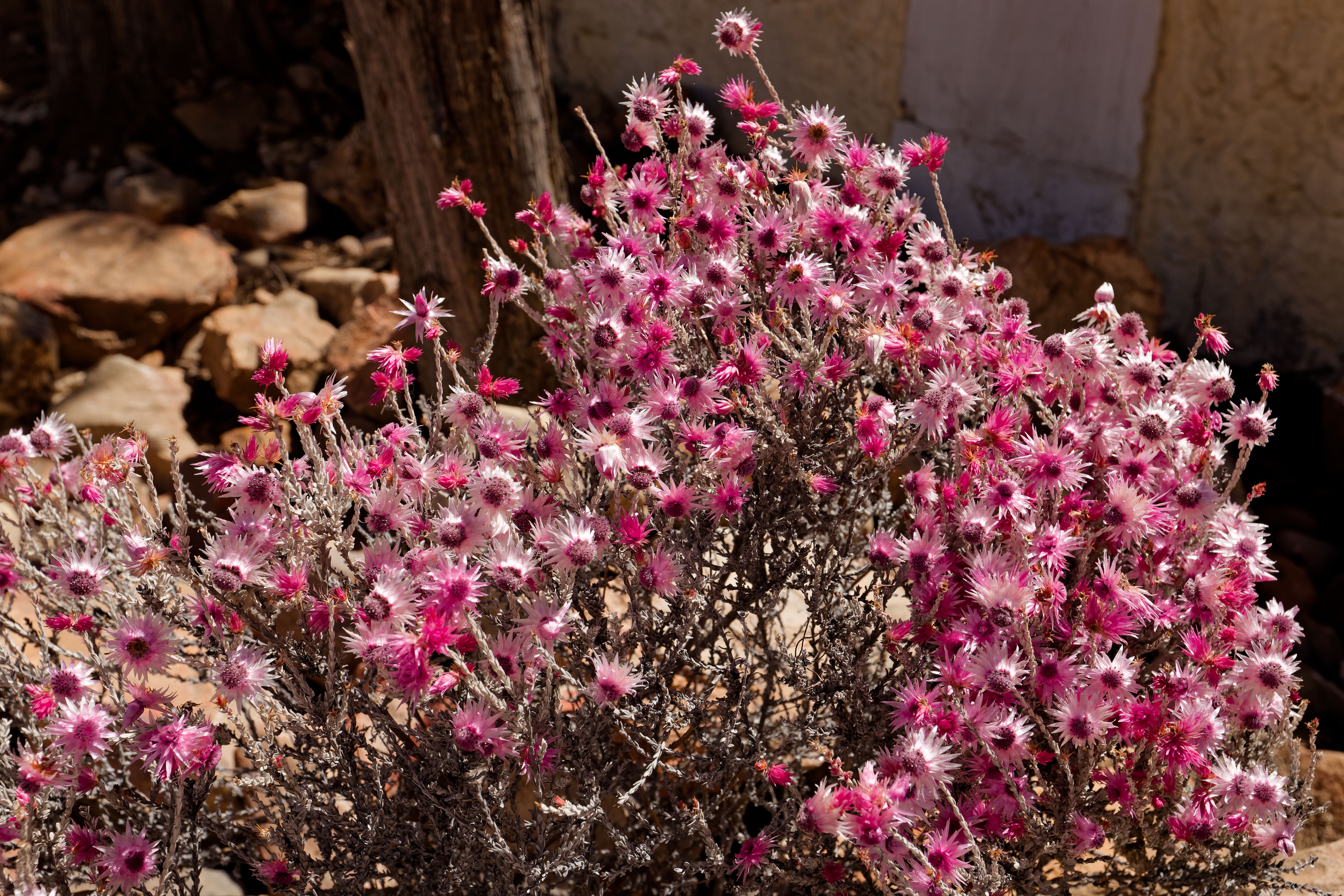
Choosing plants that thrive in Utah's climate is key to a successful outdoor living space. Native plants are often the best choice, as they are adapted to local conditions and require less water and maintenance. Consider species like sagebrush, lavender, and yarrow, which are well-suited to the arid environment.
Additionally, incorporating a mix of perennials and annuals can ensure that your garden remains vibrant throughout the year. Use drought-tolerant plants to create a sustainable and visually appealing landscape.
Integrating Water Features
Water features can add a sense of tranquility and coolness to Utah's dry landscape. Consider installing a small fountain, pond, or waterfall to enhance the ambiance of your outdoor space. Not only do water features provide aesthetic appeal, but they also attract local wildlife, adding life to your garden.
However, it's important to choose water-efficient designs to align with Utah's water conservation efforts. Recirculating systems and strategically placed features can minimize water usage while still delivering the desired effect.

Adding Functional Outdoor Furniture
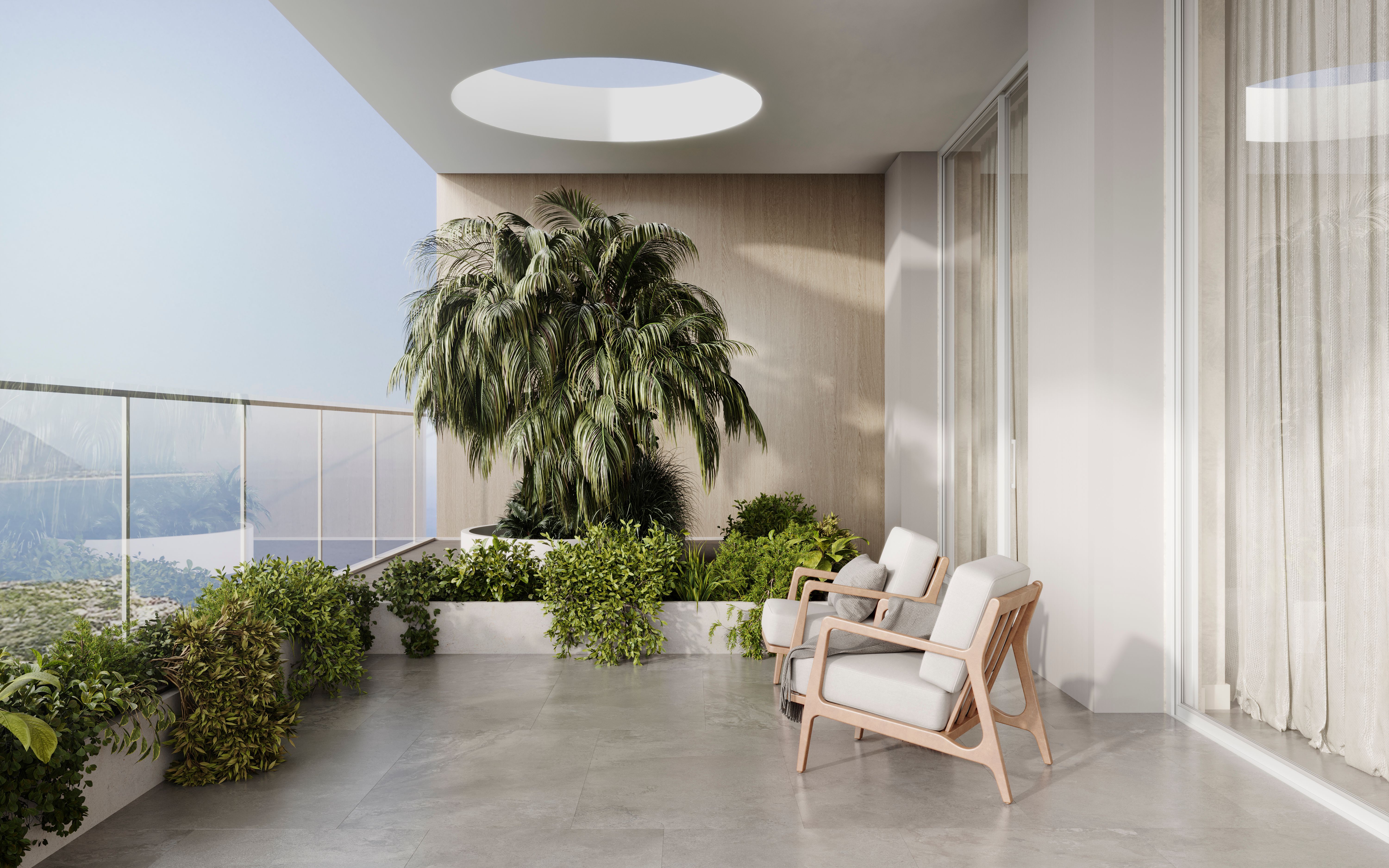
Furniture is a crucial component of any outdoor living space. In Utah, it's important to select pieces that can withstand the elements. Look for furniture made from materials like teak, aluminum, or resin wicker, which are designed for outdoor use and offer longevity.
Consider versatile furniture options that can be easily rearranged or stored during extreme weather. Cushions with weather-resistant fabric can add comfort and style, while also being practical for the climate.
Creating a Year-Round Space
To maximize the use of your outdoor living area, consider elements that make it enjoyable throughout the year. Fire pits and outdoor heaters can extend the usability of the space into the colder months, providing warmth and ambiance.
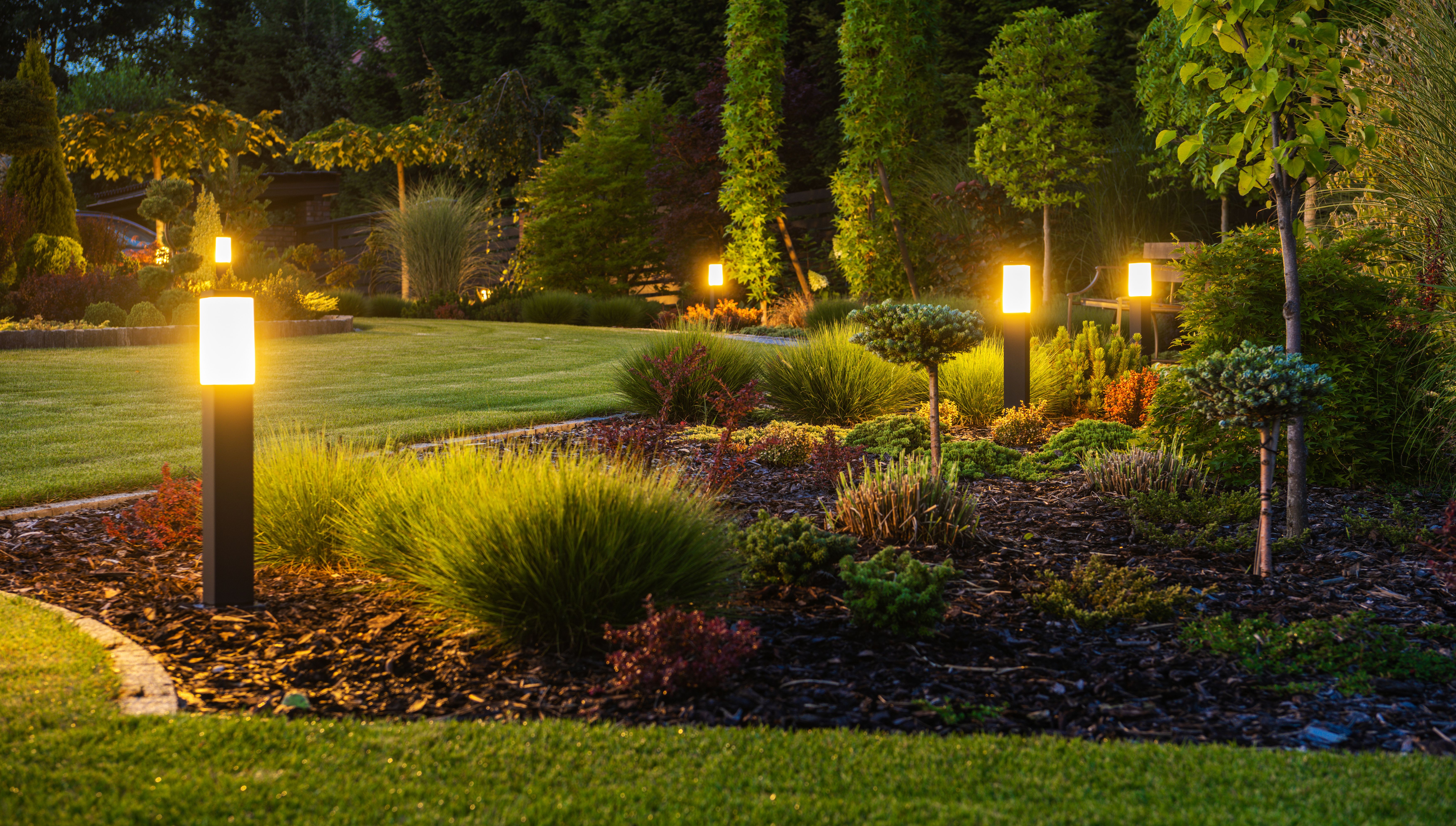
Lighting is another important factor. String lights, lanterns, and solar-powered fixtures can transform your outdoor area into a magical evening retreat, allowing you to enjoy the space even after the sun sets.
Conclusion
Designing outdoor living spaces in Utah's unique climate involves a careful balance of aesthetics, functionality, and sustainability. By choosing the right materials, incorporating shade and shelter, and selecting climate-appropriate plants, you can create a beautiful and resilient outdoor area. With these considerations in mind, your outdoor space will not only withstand the elements but also provide a welcoming retreat for years to come.